Where travel agents earn, learn and save!


News / Middle East travel advisory: ASTA guidance on client safety, insurance, and disruptions
ASTA issues comprehensive Middle East travel guidance for advisors covering flight disruptions, travel advisories, insurance limitations, and client communication protocols
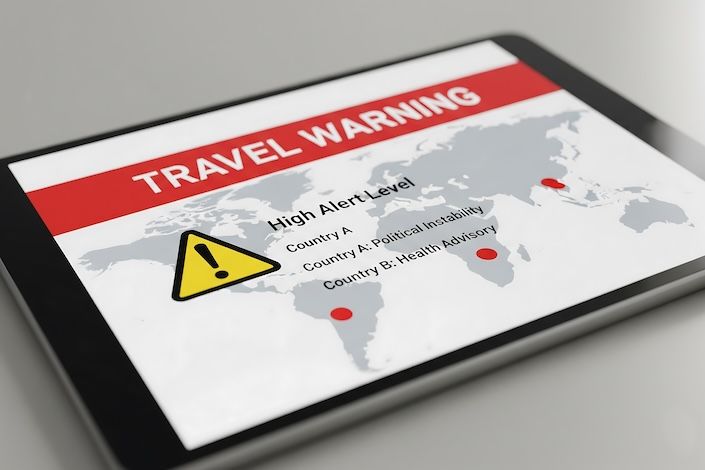
As conflict in the Middle East intensifies, the American Society of Travel Advisors (ASTA) has issued comprehensive guidance to help travel professionals navigate the complex situation affecting client travel, regional transportation networks, and advisor responsibilities.
The U.S. Department of State has released updated travel guidance advising U.S. citizens to exercise heightened caution when traveling worldwide due to the escalating Middle East conflict. The situation has created widespread disruptions to regional air travel, cruise itineraries, and tour operations, particularly through major transit hubs in the Gulf region.
Critical Actions for Travel Advisors
ASTA emphasizes that advisors must remain informed, maintain regular communication with both suppliers and clients, and ensure travelers understand potential disruptions, security risks, and insurance coverage limitations.
Advisors should direct clients to official government sources for authoritative information and strongly encourage enrollment in the Smart Traveler Enrollment Program (STEP) to receive security updates while abroad.
Key Guidance Points for Travel Professionals
1. Monitor Updated Travel Advisories
The U.S. Department of State continues issuing and revising advisories as the Middle East situation evolves. Travel advisors must monitor official updates regularly to provide clients with current, accurate information.
2. Understand Transportation Disruptions
Major carriers have suspended or canceled flights to key regional hubs:
Airlines Affected:
- Emirates
- Etihad Airways
- Qatar Airways
- Major U.S. carriers
- International airlines serving the region
Affected Destinations:
- Abu Dhabi
- Bahrain
- Dubai
- Tel Aviv
- Doha
Beyond aviation, cruise lines and tour operators operating in the region are experiencing cancellations, delays, and itinerary modifications.
3. Know Travel Advisory Levels
Level 4 – "Do Not Travel":
- Iran
- Iraq
- Afghanistan
- Syria
Reasons: Terrorism, civil unrest, kidnapping risk
Elevated Advisory Levels:
- Jordan
- Israel
- Saudi Arabia
- Egypt
- Additional regional countries
Reasons: Heightened security concerns
4. Maintain Proactive Client Communication
Advisors with clients traveling to or currently in affected regions must:
- Maintain close contact with airlines, cruise lines, and tour operators
- Keep clients informed of operational changes
- Provide timely safety updates
- Monitor supplier communications for rebooking options
5. Prepare Travelers for Potential Changes
Clients should be advised to:
- Follow guidance from local authorities and U.S. embassies
- Prepare for potential delays
- Expect possible rerouting
- Anticipate itinerary changes
- Stay flexible with travel plans
6. Recommend STEP Enrollment
The Smart Traveler Enrollment Program (STEP) provides critical benefits:
- Real-time security alerts
- Emergency contact from U.S. embassies
- Updated travel information
- Assistance during emergencies
Advisors should strongly recommend STEP enrollment for all clients traveling to affected regions.
7. Understand Travel Insurance Limitations
Critical Advisory: Most standard travel insurance policies exclude coverage for losses related to:
- War
- Military conflict
- Related disruptions
- Civil unrest in conflict zones
Advisor Recommendations:
- Clients should carefully review policy exclusions
- Consider flexible booking options when available
- Evaluate "Cancel For Any Reason" (CFAR) coverage for travel to unstable regions
- Understand that CFAR must typically be purchased within 14-21 days of initial deposit
- Document all communications regarding insurance limitations
8. Fulfill Professional Responsibilities
As licensed professionals, travel advisors have legal and ethical obligations:
Duty to Disclose:
Advisors must disclose material information that could affect a client's travel decisions, including:
- Current travel advisory levels
- Known security risks
- Transportation disruptions
- Insurance coverage limitations
Best Practices:
- Refer clients to objective third-party sources (State Department advisories, embassy websites)
- Avoid making direct recommendations about whether clients should travel
- Document all communications and advisories provided
- Maintain professional neutrality while ensuring clients are fully informed
9. Continue Ongoing Monitoring
ASTA will provide updates as conditions change. Advisors should:
- Check ASTA communications regularly
- Monitor supplier bulletins
- Review State Department updates daily
- Stay connected with industry networks
- Share information with affected clients promptly
Additional Resources
ASTA Resources:
- Airlines and Cruise Lines Suspend Middle East Operations Following Start of Iran War
- U.S. Citizens Told to Depart 14 Middle Eastern Countries, Including Egypt and Jordan
- ASTA Travel Blog: How ASTA Travel Advisors Step Up During Middle East Travel Disruptions
Government Resources:
- U.S. Department of State Travel Advisories: travel.state.gov
- Smart Traveler Enrollment Program (STEP): step.state.gov
- U.S. Embassy locations and contact information
Moving Forward
The situation in the Middle East remains fluid and unpredictable. Travel advisors play a critical role in ensuring clients make informed decisions based on current, authoritative information while understanding the risks and limitations affecting their travel plans.
By staying informed, maintaining open communication channels, and fulfilling professional disclosure obligations, advisors can best serve their clients while protecting their own businesses from potential liability.